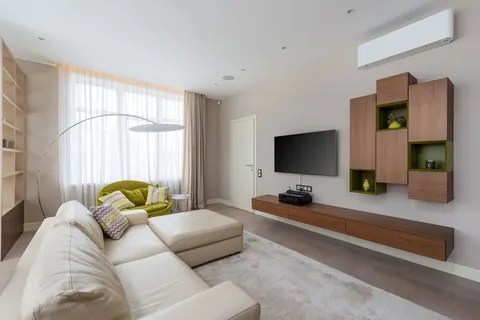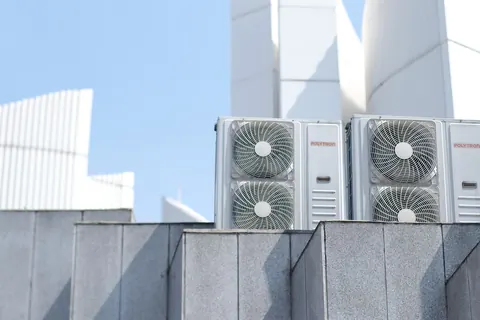
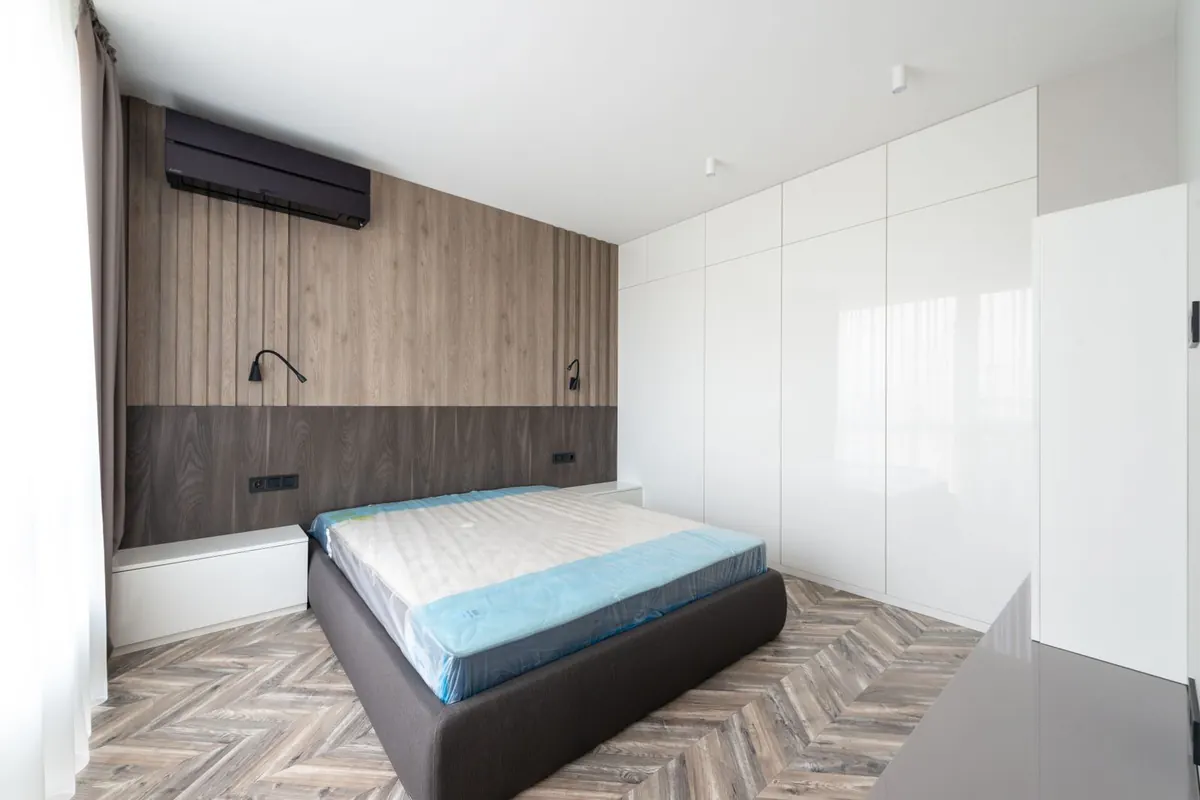
One of the biggest selling points of ductless mini splits is how quiet they are. But how quiet is "quiet," really? And what do those decibel numbers on the spec sheet actually mean in real life?
Let's cut through the marketing noise (pun intended) and give you a practical understanding of mini split sound levels.
Understanding Decibels: A Quick Primer
Sound is measured in decibels (dB). The scale is logarithmic, which means each 10 dB increase represents a 10× increase in sound intensity, or roughly a doubling of perceived loudness to human ears.
Here's a reference chart to put mini split noise in context:
| Decibel Level | Real-World Example |
|---|---|
| 0 dB | Threshold of hearing |
| 10 dB | Breathing |
| 20 dB | Rustling leaves, quiet whisper |
| 25 dB | Quiet bedroom at night |
| 30 dB | Quiet library |
| 40 dB | Quiet residential area |
| 50 dB | Moderate rainfall, quiet conversation |
| 60 dB | Normal conversation at 3 feet |
| 70 dB | Washing machine, dishwasher |
| 80 dB | Vacuum cleaner, busy traffic |
Now here's the key fact: modern mini split indoor units operate at 19–45 dB, with the best models hitting 19–22 dB on their lowest fan setting. That's quieter than a whisper. Many people literally cannot detect the unit is running.
Indoor Unit Noise Levels
What Creates Indoor Noise
- Fan/blower: The primary noise source. Speed directly correlates with noise.
- Air moving across the coil: Creates a soft "whooshing" sound.
- Louver movement: Brief mechanical sounds when vanes adjust position.
- Refrigerant flow: A faint hissing or gurgling as refrigerant changes phase, usually only audible in quiet rooms when the compressor modulates.
- Electronic clicks: Relays and control boards produce occasional clicks during mode changes.
Noise by Fan Speed
Most indoor units list noise at multiple fan speeds. A typical 12,000 BTU wall mount:
| Fan Speed | Sound Level |
|---|---|
| Quiet/Low | 19–25 dB |
| Medium | 28–35 dB |
| High | 35–42 dB |
| Turbo/Max | 42–49 dB |
The "headline" dB number in marketing is always the lowest fan speed. Make sure to also check the high-speed rating if you plan to use maximum cooling in peak summer.
Quietest Brands (Indoor Units)
Based on manufacturer specifications and independent testing:
- Mitsubishi Electric: 19 dB (MSZ-FH series), industry-leading quiet
- Daikin: 19 dB (AURORA series)
- Fujitsu: 20 dB (Halcyon series)
- LG: 21 dB (Art Cool series)
- Gree: 22 dB (Sapphire series)
The differences between top brands at low speed are minimal: 1–3 dB is imperceptible to most people. More important is the mid and high-speed noise for daily comfort.
Outdoor Unit Noise Levels
The outdoor unit is typically louder than the indoor unit because it houses the compressor and a large fan. But with inverter technology, outdoor noise has dropped dramatically.
Typical Outdoor Noise Ranges
- Budget/non-inverter: 55–65 dB
- Standard inverter: 50–58 dB
- Premium inverter: 45–52 dB
- At partial load (cruising speed): 42–48 dB
For context, 50 dB is equivalent to a quiet suburb. You'd barely notice it from 10 feet away. At 45 dB, the outdoor unit is quieter than moderate rainfall.
Why Outdoor Noise Matters
- Neighbor relations: If the outdoor unit faces a neighbor's property, noise becomes a courtesy issue
- Bedrooms: If the outdoor unit is below a bedroom window, even 50 dB can be disruptive
- HOA regulations: Some homeowner associations have noise limits for outdoor equipment
- Local codes: Some municipalities enforce maximum dB limits at the property line
Reducing Outdoor Noise
- Choose a premium inverter unit: Pays for itself in peace of mind
- Position strategically: Place the unit away from bedrooms and neighbors
- Sound blankets: Compressor blankets can reduce noise by 3–5 dB (available as aftermarket accessories)
- Vibration pads: Rubber mounting pads absorb vibration and reduce noise transmission to the structure
- Keep clearance: Obstructed airflow forces the fan to work harder and makes more noise
- Regular maintenance: Dirty coils, loose screws, and worn fan bearings increase noise over time
The Sleep Mode Advantage
Most quality mini splits include a sleep mode or quiet mode that optimizes for nighttime operation:
- Fan speed locks to the lowest setting
- Temperature gradually adjusts (typically raising the set point 1–2°F over several hours, mimicking the body's natural temperature drop during sleep)
- Display LEDs dim or turn off completely
- The unit avoids loud mode changes or fan speed ramps
In sleep mode, the best mini splits operate at 19–22 dB, quieter than the ambient noise in most bedrooms. Many users report that the gentle white noise of the fan actually improves sleep quality.
Noise in Context: Mini Split vs. Other HVAC
| System Type | Indoor Noise | Outdoor/Equipment Noise |
|---|---|---|
| Mini split (inverter) | 19–40 dB | 45–55 dB |
| Window AC unit | 50–65 dB | (same unit) |
| Portable AC | 50–70 dB | (same unit) |
| Central air (indoor) | 40–55 dB (duct noise) | 55–75 dB (condenser) |
| Central air (registers) | 35–50 dB (airflow noise) | - |
Mini splits are significantly quieter than every common alternative. The gap is especially dramatic compared to window units and portable ACs, which can produce 50–70 dB of noise right in the room.
What Those Numbers Feel Like
Let's translate spec sheet numbers into real-world experience:
19–22 dB (ultra-quiet mini splits at low speed): You'll hear this only in a silent room. Most people cannot detect the unit is running. Suitable for recording studios and nurseries.
25–30 dB (typical low-speed operation): A soft, gentle hum. Noticeable in a quiet room if you listen for it, but easily masked by any other household sounds.
35–40 dB (medium speed): Clearly audible in a quiet room, similar to a quiet fan on low. Won't interfere with conversation or TV watching.
42–49 dB (high/turbo speed): Noticeable background noise, similar to a refrigerator or quiet dishwasher. Used primarily during initial cooldown, then the inverter ramps down.
Tips for the Quietest Installation
- Choose a properly sized unit: Oversized units run at higher speeds unnecessarily
- Ensure tight wall penetration sealing: Air leaks around the lineset hole can whistle
- Use vibration-isolating mounting brackets: Prevents noise transmission through the wall
- Keep indoor filters clean: Dirty filters restrict airflow, making the fan work harder
- Professional installation: Improper refrigerant charge causes hissing and gurgling noises
The Bottom Line
Modern inverter mini splits are among the quietest HVAC systems available, period. Indoor units running at 19–25 dB are genuinely whisper-quiet, and even outdoor units have dropped to levels that won't disturb neighbors or sleepers.
If noise is a priority (bedrooms, nurseries, home offices, studios), look for units with low-speed ratings under 22 dB and outdoor units under 50 dB. Every major brand now offers models in this range.