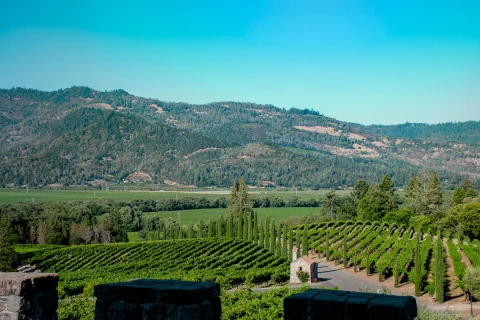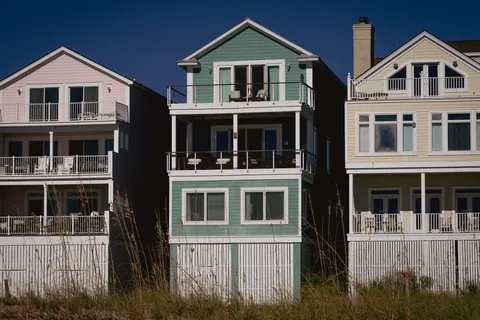
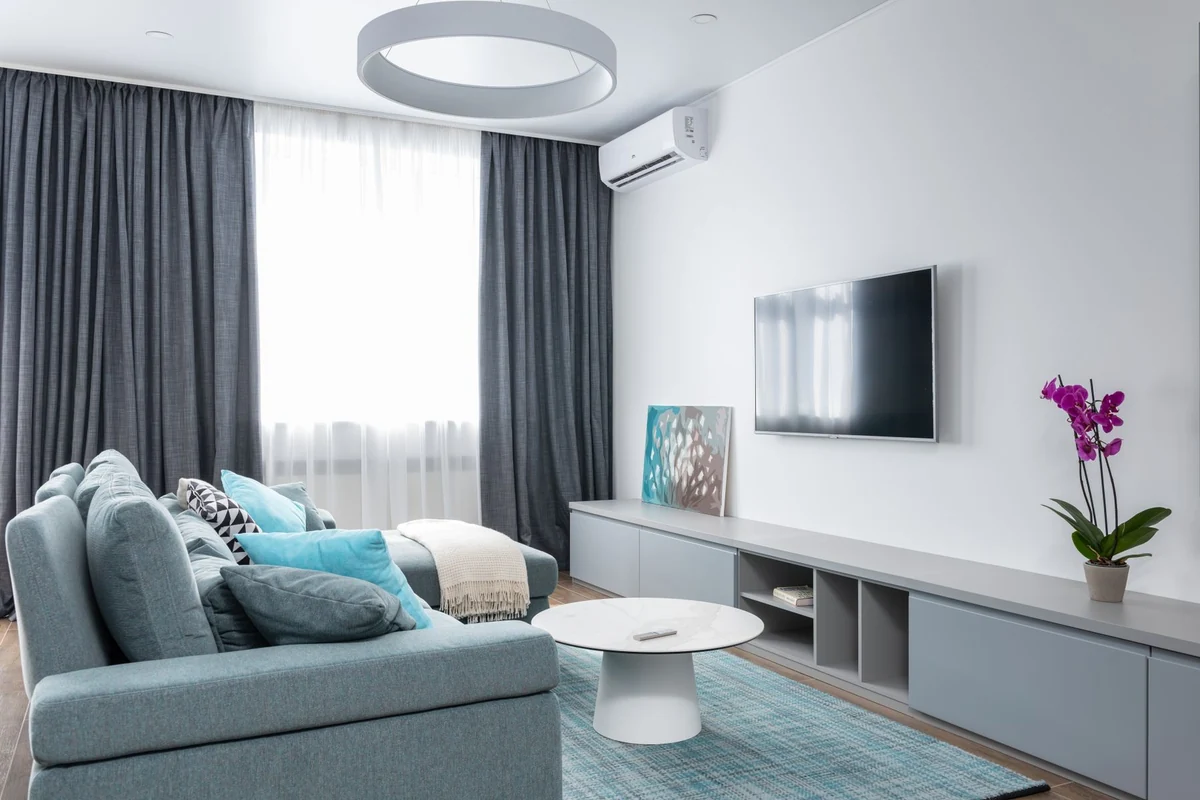
The Bay Area mini split market has exploded over the past five years, and for good reason. The region's notoriously variable microclimate, where San Francisco's foggy 58°F June mornings sit just 30 miles from Walnut Creek's 95°F afternoons, makes traditional central HVAC systems an inefficient match for millions of Bay Area homes. Ductless mini splits, with their ability to condition individual zones on demand, are uniquely suited to how Bay Area residents actually experience temperature: differently in different rooms, at different times of day, depending on which side of the hills they're on.
This guide covers everything Bay Area homeowners need to know about selecting, sizing, and optimizing a mini split system for Northern California's coastal climate: from the marine layer's effects on system performance to the PG&E rate structures that make high-efficiency systems especially valuable in the 9-county Bay Area region.
Why the Bay Area Climate Is Different for HVAC
The San Francisco Bay Area presents one of the world's most complex microclimatic environments. Within a single county, you can have:
- Coastal zones (SF, Daly City, Pacifica): Cool, foggy summers, mild winters, rare need for cooling, significant heating load October through April
- Bay-adjacent zones (Oakland, Berkeley, San Jose north): Moderate temperatures, moderate cooling need, moderate heating need
- East Bay hills and inland valleys (Pleasanton, Walnut Creek, Livermore): Hot, dry summers with 90–105°F spikes; cold winters with occasional frost
- South Bay (San Jose, Santa Clara): Hot summers, mild winters, highest cooling demand in the region
Traditional central HVAC sized for the hottest day in Livermore is absurdly oversized for a fog-belt home in the Sunset District. Mini splits solve this by letting homeowners right-size each zone for its actual exposure: a 9,000 BTU wall unit for the foggy side bedroom, an 18,000 BTU system for the sun-exposed living area, independent control for each.
Key fact: According to PG&E's residential energy use data, Bay Area homes with properly sized ductless mini splits consume 28–42% less electricity for heating and cooling compared to electric resistance baseboard heating combined with window AC units, the de facto standard in millions of Bay Area homes built without central HVAC.
Sizing a Mini Split for Bay Area Microclimates
Proper BTU sizing for a Bay Area home requires more nuance than a simple square-footage calculation. The Manual J load calculation method (which accounts for insulation, window area and orientation, ceiling height, local climate data, and occupancy) is the gold standard. Here are Bay Area-specific sizing considerations:
Coastal Fog Belt (ASHRAE Zone 3C)
San Francisco, Daly City, Pacifica, Half Moon Bay: These areas rarely need cooling capacity. A 9,000–12,000 BTU mini split is typically sufficient for 300–500 sq ft of well-insulated space in these zones. The primary load is heating in shoulder seasons (October–April), and a heat pump mini split handles this elegantly at high efficiency. Avoid oversizing, a too-large system will short-cycle and fail to adequately dehumidify the frequently humid coastal air.
East Bay and South Bay (ASHRAE Zone 3B)
Oakland, Fremont, San Jose, Santa Clara: These areas see real summer cooling demand. Size conservatively, use Manual J calculations or the rule of thumb of 20 BTU per square foot for well-insulated spaces with typical sun exposure. A 900 sq ft South Bay living space typically needs 18,000 BTU; a 600 sq ft bedroom zone needs 12,000–15,000 BTU accounting for western exposure and second-floor heat gain.
Inland Valleys (ASHRAE Zone 3B/4C)
Walnut Creek, Pleasanton, Livermore, Napa: Hot summers require sizing up. Use 22–25 BTU per sq ft for south and west-facing rooms with significant glass area. Consider high-efficiency systems with high SEER2 ratings (20+), the extended cooling season in these zones makes efficiency improvements deliver faster payback.
Best Mini Split Brands for Bay Area Conditions
Bay Area conditions favor specific product characteristics: reliable heating performance down to low winter temperatures (some inland areas see 25–32°F nights), corrosion resistance for coastal proximity, and high efficiency to maximize savings on PG&E rates.
Mitsubishi Electric: Hyper Heat Series
Mitsubishi's MSZ-FH and MSZ-FS Hyper Heat series are perennial favorites in Northern California for their exceptional low-temperature heating performance, rated to full capacity down to 5°F, with operation to -13°F. For Bay Area homes that need a heat pump to handle chilly January nights in the East Bay hills, this cold-weather capability matters. Mitsubishi's Blue Fin corrosion-resistant coating on outdoor coils is valuable within 15 miles of the coast.
Daikin Aurora Series
Daikin's Aurora cold-climate mini splits deliver 100% rated capacity down to 5°F, making them excellent for North Bay installations in Marin and Sonoma County where winter temperatures can dip lower than coastal Bay Area norms. Daikin also offers excellent multi-zone flexibility for whole-home Bay Area installations.
Fujitsu Halcyon Livi and Extra Series
Fujitsu's XLTH (Extra Low Temperature Heating) series is rated to -13°F and delivers strong performance across Bay Area climate zones. Fujitsu units are particularly noted for quiet indoor operation, a quality that Bay Area buyers, used to older homes without HVAC or window unit noise, consistently appreciate.
Pro tip: If your Bay Area home is within 1 mile of saltwater (San Francisco Bay, Pacific Ocean, or major estuary), always specify a unit with Blue Fin or Gold Fin anti-corrosion coating on the outdoor unit coils. Without this protection, coastal salt air will degrade aluminum fins within 5–8 years, reducing heat exchange efficiency and potentially shortening compressor life.
PG&E Rates and Mini Split Economics in the Bay Area
PG&E's tiered and time-of-use rate structures significantly affect mini split economics in the Bay Area. Understanding how to work with these rates can dramatically improve your system's financial return.
Time-of-Use Rates (EV-B and E-TOU-C)
PG&E's residential time-of-use plans charge peak rates (typically 3–9 PM) at 2–3x off-peak rates. Mini split smart controls and Wi-Fi thermostats can pre-cool or pre-heat your home during off-peak hours (overnight, early morning) using cheaper electricity, then coast through peak hours on stored thermal mass. Bay Area homes with good insulation can sustain comfortable temperatures for 4–6 hours after pre-conditioning stops, avoiding peak pricing entirely.
CARE and FERA Programs
Income-qualified Bay Area households on PG&E's CARE or FERA discount programs get 20–30% reductions on electricity rates. Combined with high-efficiency mini split performance (COP of 3.0–4.5, meaning 3–4.5 units of heating for every unit of electricity consumed), the economics of mini split heating vs. gas furnaces or electric resistance heaters are compelling even for lower-income households.
Bay Area Energy Rebates
PG&E offers rebates through its Energy Upgrade California program for qualifying heat pump mini split installations. Additionally, BayREN (Bay Area Regional Energy Network) offers additional rebate programs through participating local utilities: Marin Clean Energy, East Bay Community Energy, and Peninsula Clean Energy all have independent incentive programs that can stack with PG&E rebates.
Installation Considerations for Bay Area Homes
Bay Area housing stock presents specific installation challenges that affect cost and complexity:
Victorian and Craftsman Homes
San Francisco, Oakland, and Berkeley are dense with Victorian, Edwardian, and Craftsman homes built without any HVAC infrastructure. These homes often have plaster walls, no accessible attic space, and historic preservation considerations in some neighborhoods. Skilled mini split installers in these areas develop expertise in minimal-invasive line set routing: through closets, under floor joists, and via dedicated exterior line set covers that don't compromise architectural character.
Hillside Homes and Long Line Sets
East Bay hills and San Francisco hillside homes often require long line set runs from outdoor units (placed at grade or on a lower level) to interior living spaces. Line sets beyond 50 feet require upsizing to maintain system capacity: your installer should perform the calculation and specify line set size accordingly. Budget $15–$30/ft for extended line sets in the Bay Area market.
Permit Requirements
Every Bay Area city and county has its own permit requirements for mini split installation. San Francisco, Oakland, San Jose, and most unincorporated county areas require mechanical permits for new mini split installations. Permit costs run $150–$450 in most Bay Area jurisdictions. Always work with a contractor who pulls permits. It protects your investment and ensures the installation meets current Title 24 California Energy Code requirements.
Summary: Mini Splits Are the Right Call for Most Bay Area Homes
The Bay Area's climate complexity, aging housing stock, and high electricity rate environment create the perfect conditions for mini split HVAC adoption. Properly sized for the specific microclimate zone (coastal, bay-side, inland valley, or hillside) and paired with smart controls that optimize PG&E time-of-use rates, a Bay Area mini split delivers comfort, efficiency, and financial returns that traditional central HVAC or legacy window units simply can't match. Choose a top-tier brand with corrosion protection for coastal proximity, hire a licensed contractor familiar with Bay Area housing stock, and take advantage of the stacking rebate programs available through PG&E and regional clean energy networks to reduce your net installation cost.