Coastal Corrosion Protection: Blue Fin and Gold Fin Coatings
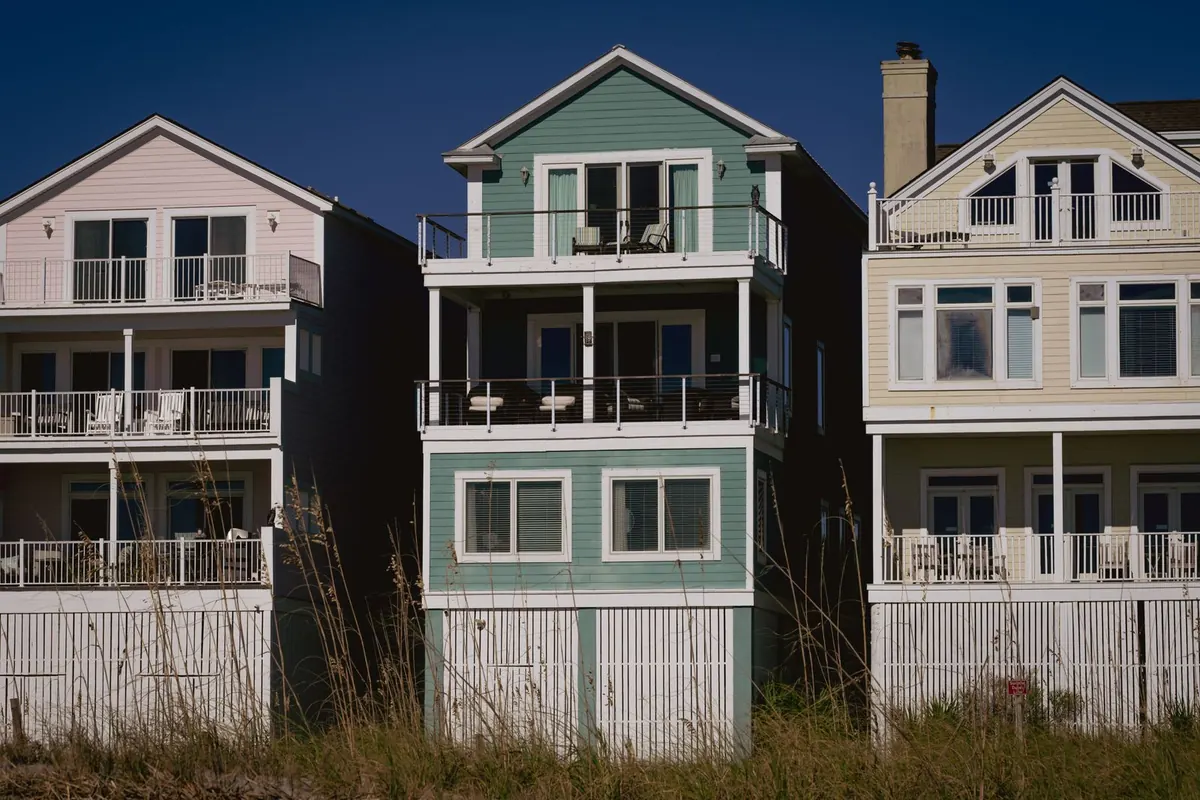
If you've ever seen an outdoor AC unit near the ocean that looks like it's been through a war (rusty cabinet, crumbling fins, white salt deposits on the coils), you've seen what salt air does to unprotected HVAC equipment. Coastal environments are among the harshest for air conditioning systems, and the condenser coil is the first casualty.
Blue Fin and Gold Fin coatings are the HVAC industry's answer to this problem. These protective coatings applied to condenser and evaporator coils can extend the life of your mini split by years, sometimes decades, in salt-heavy environments. But they're not identical: each has distinct properties, advantages, and ideal use cases.
Why Condenser Coils Corrode
To understand the coatings, you need to understand the problem:
The Anatomy of a Condenser Coil
Condenser and evaporator coils consist of:
- Copper tubes carrying refrigerant (increasingly aluminum in some units)
- Aluminum fins pressed onto the tubes to increase heat transfer surface area
- The fins are extremely thin, typically 0.1–0.15mm, creating massive surface area but also massive vulnerability
How Salt Air Attacks
- Salt particles deposit on fin surfaces carried by ocean breezes
- Combined with moisture (humidity, rain, condensation), salt creates an electrolyte solution
- This triggers galvanic corrosion between dissimilar metals (copper tubes + aluminum fins)
- Aluminum fins begin pitting and oxidizing, developing white powdery deposits
- Corroded fins lose structural integrity, bend and block airflow
- Reduced airflow forces the compressor to work harder, increasing energy consumption and wear
- Eventually, tube corrosion leads to refrigerant leaks and system failure
This process can destroy an unprotected outdoor coil in 3–5 years near the ocean, compared to a 15–20 year lifespan inland.
Blue Fin Coating Explained
What It Is
Blue Fin is a hydrophilic (water-attracting) epoxy coating applied to aluminum condenser fins. The distinctive blue color comes from the epoxy formulation. It's not decorative but functional, making the coating visually verifiable.
How It Works
- The hydrophilic coating causes water to spread evenly across the fin surface rather than forming droplets
- This even water distribution helps wash away salt particles and contaminants when exposed to rain or rinsing
- The epoxy layer creates a physical barrier between the aluminum fin surface and corrosive agents
- Prevents direct contact between salt, moisture, and bare metal
Advantages of Blue Fin
- Improved heat transfer: The hydrophilic effect helps condensation drain more efficiently, maintaining clean fin surfaces
- Self-cleaning tendency: Water sheets off evenly, carrying away deposits
- Cost-effective: Blue Fin is the less expensive of the two coating types
- Widely available: Many mainstream mini split brands offer Blue Fin as standard or optional
- Proven track record: Used in the HVAC industry for over 20 years
Limitations of Blue Fin
- Moderate corrosion resistance: Better than uncoated fins, but not the ultimate protection
- Hydrophilic = water-attracting: In very humid environments, the coating's water-attracting nature can keep moisture in contact with fins longer
- Less effective against heavy salt exposure: For properties directly on the waterfront (within 500 feet), Blue Fin may not be sufficient alone
- Coating can degrade over 8–12 years with heavy exposure
Best For
- Properties 1–5 miles from the coast
- Moderate humidity environments
- Budget-conscious coastal installations
- Inland areas with hard water or acidic rain exposure
Gold Fin Coating Explained
What It Is
Gold Fin is a hydrophobic (water-repelling) acrylic or epoxide coating applied to condenser fins. The golden color is characteristic of the coating chemistry.
How It Works
- The hydrophobic coating causes water to bead and roll off the fin surface
- Salt particles, dust, and other contaminants are carried away with the water beads, similar to a lotus leaf effect
- Creates an even stronger chemical barrier against corrosion
- The water-repelling nature means moisture doesn't linger on the fin surface, reducing the time salt has to cause damage
Advantages of Gold Fin
- Superior corrosion resistance: The hydrophobic barrier provides stronger protection than Blue Fin
- Better in high-salt environments: Specifically designed for extreme coastal exposure
- Reduced moisture contact time: Water beads off quickly, giving salt less time to act
- Longer coating lifespan: Gold Fin coatings typically last 10–15+ years before showing degradation
- Improved drainage: Water rolls off readily, keeping fins cleaner and maintaining airflow
Limitations of Gold Fin
- Higher cost: Typically 15–30% more expensive than Blue Fin at the equipment level
- Slightly reduced initial heat transfer: The hydrophobic coating can marginally reduce the evaporative cooling efficiency of the condenser, though the impact is minimal (1–2%)
- Less available: Not all brands offer Gold Fin; may require special ordering
- Still not invincible: No coating makes a unit maintenance-free at the coast
Best For
- Properties within 1 mile of the ocean
- Beachfront and waterfront installations
- High humidity + high salt environments (Florida, Hawaii, Gulf Coast, Southern California coast)
- Installations where maximum equipment lifespan is the priority
Blue Fin vs Gold Fin: Head-to-Head Comparison
| Feature | Blue Fin | Gold Fin |
|---|---|---|
| Coating type | Hydrophilic (water-attracting) | Hydrophobic (water-repelling) |
| Corrosion resistance | Good | Excellent |
| Salt protection | Moderate | Superior |
| Heat transfer impact | Slightly improved | Slightly reduced |
| Self-cleaning ability | Good (water sheets off) | Excellent (water beads off) |
| Durability | 8–12 years | 10–15+ years |
| Cost premium | 5–15% over uncoated | 15–30% over uncoated |
| Best distance from coast | 1–5 miles | Under 1 mile |
| Maintenance reduction | Moderate | Significant |
Other Corrosion Protection Options
Micro-Channel Coils
Some newer mini splits use all-aluminum micro-channel coils instead of traditional copper-tube/aluminum-fin construction:
- Eliminates galvanic corrosion between dissimilar metals
- Lighter weight and smaller volume
- Generally more corrosion-resistant than uncoated traditional coils
- However, more susceptible to damage from physical impact or clogging
Aftermarket Coil Coatings
If your mini split doesn't come with factory coating, aftermarket options exist:
- ElectroFin E-Coat: Factory-applied electrodeposition coating, very durable
- GulfCoat: Aerosol spray-on coating (Blue, Clear, or Gold) specifically for HVAC coils and components. Can be applied in the field.
- Heresite P-403: Industrial-grade phenolic coating for extreme environments
Aftermarket coatings cost $50–$200 per application and can add 3–5 years of protection to an existing unit.
Protective Covers and Enclosures
Physical barriers can supplement chemical coatings:
- Louvered equipment enclosures block direct salt spray while maintaining airflow
- Seasonal covers during extended non-use periods (never cover a running unit)
- Strategic landscaping as a windbreak, salt-tolerant hedges can reduce direct exposure by 30–50%
How to Decide: Do You Need Coil Protection?
Definitely Yes
- Within 1 mile of the ocean or any salt water body
- Coastal Florida, Hawaii, Gulf Coast, Southern California coast
- Areas with regular salt spray or marine fog
Strongly Recommended
- 1–3 miles from the coast
- Coastal New England, Pacific Northwest, Mid-Atlantic
- Near tidal marshes or estuaries
Optional but Beneficial
- 3–5 miles from the coast
- Near treated swimming pools (chlorine can cause similar corrosion)
- Near industrial areas with acidic or chemical emissions
- Areas with hard water used for landscape irrigation near outdoor units
Probably Not Necessary
- 5+ miles inland from any coast
- Dry, non-coastal climates
- Environments without chemical or salt exposure
Maintenance Even With Coatings
Coatings extend life dramatically but don't eliminate maintenance:
- Rinse outdoor coils monthly with fresh water from a garden hose (the single most effective maintenance task)
- Avoid pressure washers: they can damage fins and strip coatings
- Inspect coatings annually for chips, wear, or degradation
- Touch up any damaged coating areas with aftermarket spray products
- Professional coil cleaning annually. Use manufacturer-approved cleaning solutions (some acidic cleaners damage coatings)
The Bottom Line
Blue Fin and Gold Fin coatings are not marketing gimmicks. They're proven corrosion protection technologies that can double or triple the lifespan of your mini split's outdoor coil in coastal environments. The choice between them comes down to proximity to the ocean and budget:
- Blue Fin for moderate coastal exposure (1–5 miles): cost-effective, well-proven
- Gold Fin for heavy coastal exposure (under 1 mile): premium protection, longer lasting
For anyone living near the coast, the $100–$500 premium for coil coating is one of the best investments you can make in your HVAC system. It's far cheaper to buy protected coils upfront than to replace corroded ones in 5 years.