Napa and Sonoma wine country presents a climate profile unlike anywhere else in the Bay Area: a landscape where morning marine fog from the San Pablo Bay intrudes into the valley floors, where afternoon temperatures in the valley can reach 95–105°F while vineyards on higher slopes remain 10–15°F cooler, and where historic farmhouses, converted barns, and modern architectural showpieces coexist with vastly different HVAC needs. Mini splits for Napa and Sonoma homes must navigate this thermal complexity while meeting the specific demands of wine country properties, from historic Craftsman bungalows in downtown Napa to contemporary wine country estates on the Mayacamas ridge, from converted barn guest houses to new construction vacation rentals in Healdsburg.
This guide addresses the specific climate, architectural, and lifestyle considerations that make wine country HVAC distinct, and why mini splits are frequently the best solution for homes in this exceptional region.
Wine Country Climate: Thermal Complexity by Zone
Napa Valley Floor (Napa City, Yountville, Rutherford)
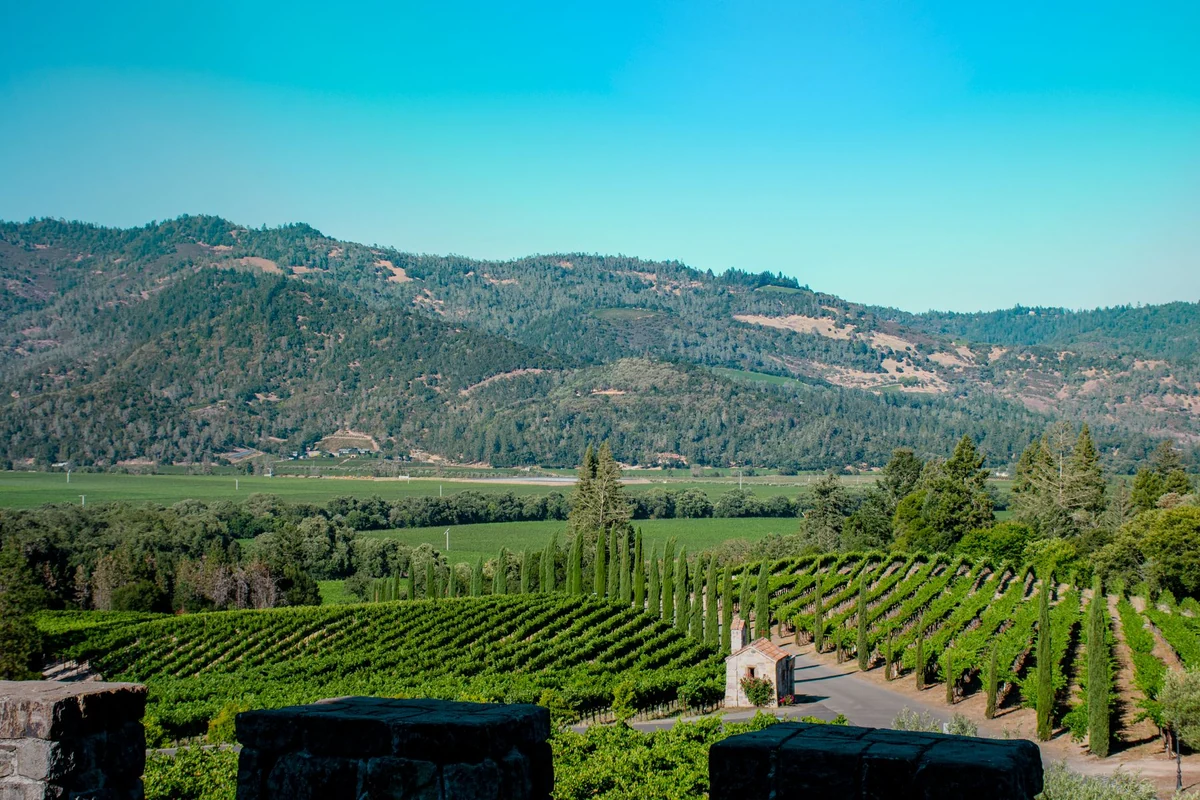
The valley floor is the most thermally extreme wine country zone, a classic Central Valley-influenced climate with significant diurnal temperature variation. Summer highs reach 95–105°F regularly; summer nights cool to 55–65°F as marine air drains down from the coastal gaps. This 35–45°F day-night swing is the valley's viticultural asset but creates an interesting HVAC situation: genuine air conditioning is needed for afternoon hours, but by morning the house may be comfortable or even cool from overnight natural ventilation.
Sizing for valley floor: 18,000–24,000 BTU for standard living areas in well-insulated homes; 24,000–36,000 BTU for poorly insulated older homes and large open-plan spaces.
Carneros and San Pablo Bay-Adjacent Zones
The southern Napa Valley, Carneros appellation, and southern Sonoma Valley (near San Pablo Bay) experience the strongest marine influence in wine country. Morning fog from the bay keeps temperatures moderate (55–72°F midday) for much of the summer, with only brief afternoon periods of genuine warmth. These areas need more heating capacity than cooling capacity: summer heat is modest, but cool, damp mornings persist into summer and fall evenings are cool.
Sonoma Valley and Santa Rosa
Sonoma Valley (Glen Ellen, Kenwood) experiences a microclimate similar to Napa's valley floor: hot dry afternoons (90–100°F) in summer moderated by evening fog. Santa Rosa, the region's largest city, has a more urban climate slightly warmer than the valley floor due to heat island effect. Mini split sizing follows valley floor guidelines: 18,000–24,000 BTU for most zones.
Healdsburg and Russian River Valley
Healdsburg and the Russian River Valley experience one of the most dramatic temperature variation patterns in California: the same afternoon that reaches 100°F in downtown Healdsburg may see 68°F at Guerneville on the coast side of the valley. For Healdsburg residential installations, size for valley floor conditions. For Russian River Valley coastal properties, size more conservatively and emphasize heating performance.
Key fact: Wine country's large diurnal temperature swing (35–45°F difference between daily high and overnight low in summer) is exceptional by California standards and creates an opportunity that smart mini split scheduling can exploit: pre-cool the home during the evening off-peak hours as temperatures drop, then allow natural night ventilation through opening windows to further cool thermal mass, and start the morning with a pre-cooled house that requires minimal mechanical cooling until afternoon temperatures peak. A mini split programmed to a 78°F setpoint until 6 PM, then aggressively cooling to 68°F between 9 PM and midnight at PG&E's off-peak rate, can dramatically reduce peak-hour cooling loads on the following afternoon, a strategy uniquely enabled by wine country's natural cool nights.
Wine Country Architecture: Diverse HVAC Challenges
Historic Farm and Ranch Houses
Napa and Sonoma are dotted with historic farmhouses (Victorian, Craftsman, and vernacular ranch construction from the 1880s through the 1940s) that were designed for natural ventilation in an era before air conditioning. These homes have thick plaster walls, high ceilings, deep porches, and window placement for cross-ventilation: thermal strategies that still work, but insufficiently for contemporary comfort in the region's increasingly hot summers.
Installing central HVAC in these homes is often structurally invasive and architecturally damaging. Mini splits are the natural solution: compact indoor units with minimal structural penetration requirements, line set routing through closets and attic space, and zone-by-zone comfort control that allows historic homes to use their natural passive cooling strategies in mild weather while providing efficient mechanical cooling and heating when conditions require it.
Converted Barns and Agricultural Buildings
Wine country's abundance of repurposed agricultural buildings (converted hay barns, winery crush pads, equipment sheds turned into guest houses and event spaces) present challenging HVAC conditions: large volumes, poor insulation, metal or wood structure that conducts heat aggressively, and irregular geometry that makes duct installation impractical. Ceiling-mounted cassette mini splits are ideal for converted barn applications: the unit mounts in the ceiling and distributes air in four directions, handling large floor areas from a single indoor unit. A 24,000 BTU cassette can effectively condition a 600–800 sq ft barn conversion; large spaces may require two cassettes.
Wine Country Estates and Custom Homes
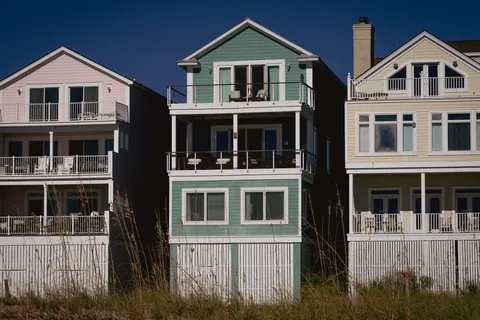
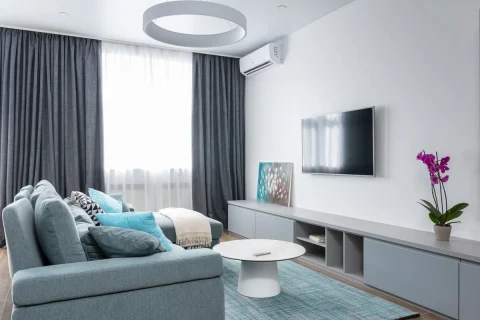
Napa and Sonoma's ultra-premium residential market (architects like Howard Backen, Aidlin Darling, and Walker Warner regularly design wine country estates) often specifies high-end mini split systems as much for aesthetic reasons as technical: the clean indoor unit profile of a Mitsubishi Mr. Slim flush-mount or Daikin wall-mount doesn't interrupt the architectural vision the way dropped ductwork and ceiling registers would. High-efficiency premium mini splits with WiFi control and sophisticated scheduling integrate well into the smart home systems common in high-end wine country properties.
Wine Cellar Temperature Control: A Unique Wine Country Need
Many wine country homeowners maintain residential wine cellars (either dedicated rooms or converted closets) that require year-round temperature control at 55–65°F regardless of the wine country's seasonal temperature swings. Standard mini splits can maintain cellar temperatures in the 65–75°F range effectively. For dedicated wine cellars requiring cellar-specific temperature (55–60°F), CellarPro and WhisperKOOL dedicated wine cooling units are more appropriate than residential mini splits, which are not rated for continuous operation at the low setpoints and high humidity levels needed for proper wine storage.
PG&E Rates and Energy Optimization in Wine Country
All wine country properties (Napa County, Sonoma County, and the surrounding wine country communities) are served by PG&E. PG&E's E-TOU-C rate (peak 4–9 PM) creates the same optimization opportunity for wine country homeowners as elsewhere in the PG&E service territory:
Wine Country TOU Strategy
- Pre-cool from 6 AM–4 PM at off-peak rates (typically $0.19–$0.24/kWh); valley floor homes can cool to 68–70°F before peak period begins
- Allow drift during peak 4–9 PM (up to $0.43–$0.56/kWh); wine country's cool evening temperatures mean the house will cool naturally after 6–7 PM even without mechanical cooling
- Night ventilation strategy: When overnight temperatures drop to 60–65°F (common in wine country summer), opening windows for 2–3 hours at night accomplishes more cooling than running the mini split: free cooling that the smart programming should account for
A wine country household implementing this strategy can reduce peak-hour AC consumption by 70–80% compared to constant-temperature operation, saving $300–$600/cooling season depending on home size and PG&E rate structure.
Rebates Available in Wine Country
- PG&E ENERGY STAR heat pump rebates for qualifying systems (check pge.com for current amounts)
- BayREN (Bay Area Regional Energy Network) programs cover parts of Napa and Sonoma counties; check bayren.org for current programs
- Sonoma Clean Power (the Community Choice Aggregator serving Sonoma County) has offered additional electrification rebates for heat pump systems. Check sonomacleanpower.org for current program availability
Pro tip: Wine country homeowners with vacation rental properties (a major segment of Napa and Sonoma's housing market) should specify WiFi-connected mini splits with remote access capability. Apps like Mitsubishi kumo cloud, Daikin's cloud control, and Fujitsu FGLair allow property managers to remotely set pre-arrival temperatures (so guests arrive to a comfortable home), adjust settings between stays, and monitor system status for fault alerts. This remote management capability is operationally valuable for vacation rental management and is valued by premium short-term rental guests who expect smart home features at wine country property prices.
System Recommendations for Wine Country Applications
Valley Floor Homes (Cooling-Primary, Moderate Heating)
- Mitsubishi MXZ multi-zone with MSZ-GL indoor units: Excellent cooling capacity for 100°F valley conditions; good low-temperature heating for cool fall evenings; strong build quality and 12-year warranty with Diamond Dealer installation
- Daikin 19-Series: Outstanding SEER2 for valley floor cooling season economics; great value specification for rental properties or second homes
Bay-Adjacent and Marine-Influenced Zones (Heating-Primary)
- Mitsubishi MSZ-GL or FH series: Hyper Heat option provides rated capacity at 5°F, not needed in wine country's mild winters but provides operational flexibility and confirms the unit will operate efficiently at the 35–40°F temperatures that Carneros and coastal locations see on the coldest winter nights
Converted Barns and Large Spaces
- Mitsubishi SLZ-KF or Daikin FDMQ ceiling cassette: Four-directional air distribution from ceiling-mounted units; 24,000–36,000 BTU models appropriate for large barn volumes
Summary: Wine Country Mini Splits Reward Thoughtful Specification
Napa and Sonoma wine country's exceptional climate diversity, architectural variety, and lifestyle expectations make mini split specification a more nuanced task than in most California markets. Zone-by-zone sizing for the specific microclimate, system selection matched to the architectural application (wall-mount for historic farmhouses, cassette for barn conversions, premium multi-zone for estates), and smart scheduling that leverages the region's natural cool nights all contribute to a mini split installation that performs beautifully in wine country's exceptional environment. The investment is well-matched to the quality and value of the properties it serves.